The church at Somerton has never existed in isolation. Alongside it runs a continuous thread of clergy — individuals whose presence shaped not only the spiritual life of the parish but the everyday rhythm of the village.
The Rectory
The rectory at Somerton was more than a residence. It was part of the working structure of the village — a place where the role of the church extended into everyday life, and where the rector’s family were themselves a presence that shaped how the village functioned. An early postcard from 1909 shows a house that is settled and established. The photograph of the rectory staff — Annie Hemmings, Alice Pearce, Mr Whatton, Emily Bradley and Sally Allen — confirms that this was a household of some significance, with live-in domestic staff well into the twentieth century. The school children, in their memories of Sundays, described attending three services — church at eleven, Sunday School at three, and church again at six. For much of the village’s history, the rhythms of the week were set in part by the rhythm of the rectory.
By 1983 the sale of the Old Rectory marked a turning point, and not only a practical one. The building itself is beautiful — a substantial house that had stood as the visible centre of the church’s presence in the village for generations — and its passing into private ownership was felt as something more than a property transaction. What was lost was harder to name: the sense that the church was housed in the village, that someone lived there on its behalf, that the rector’s family belonged to Somerton in a particular and settled way. The rector who had hosted, arbitrated, connected, and simply been present in a building anyone could approach — that figure belonged to a way of village life that was already changing. The sale was one of the moments that marked the change.
William Juxon
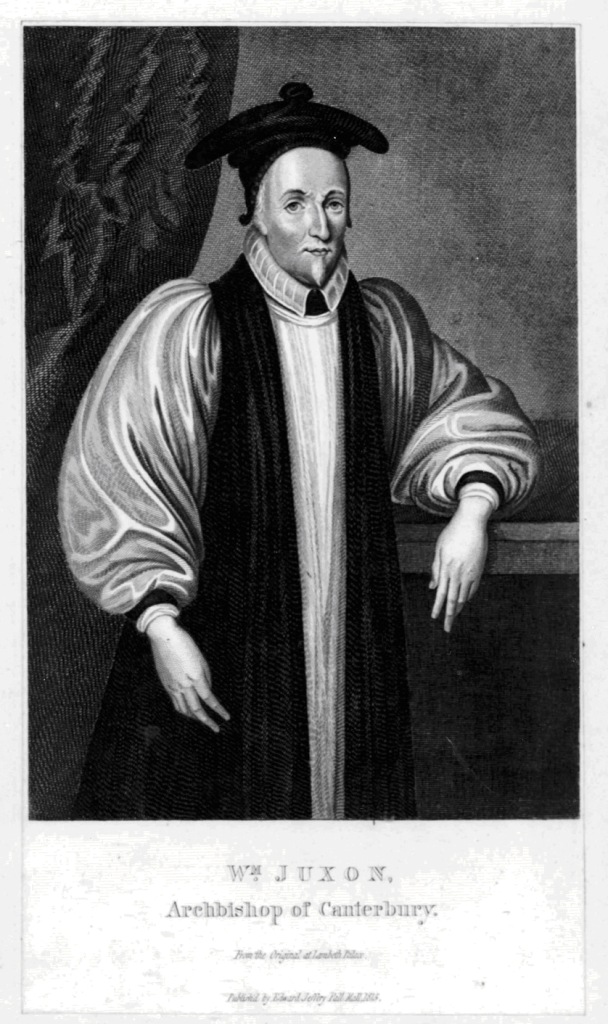
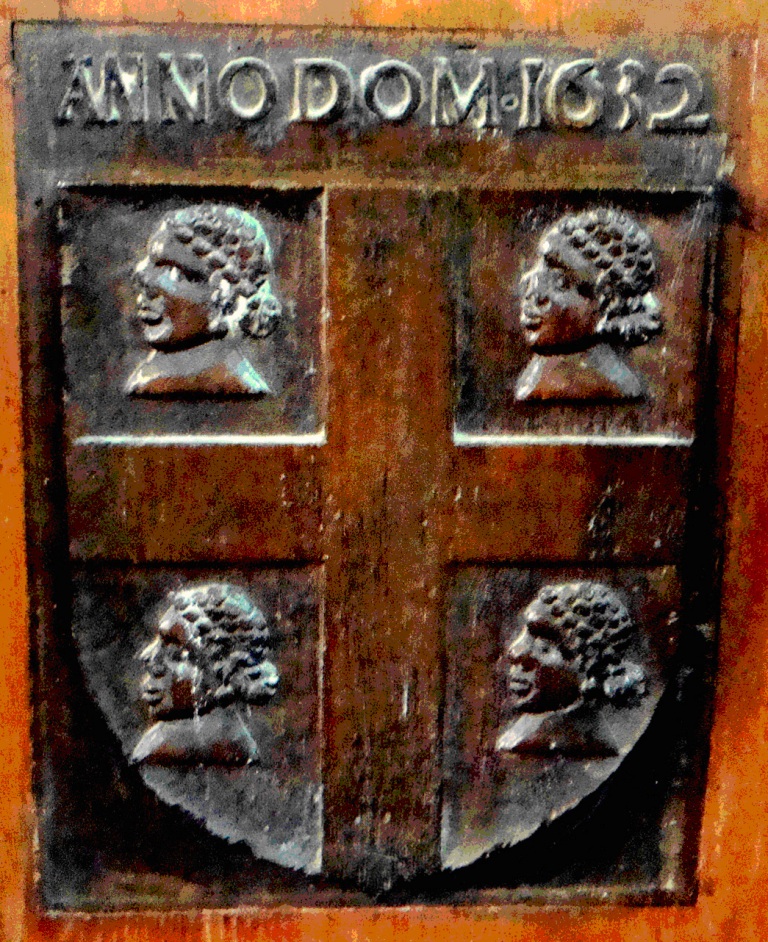
William Juxon, Rector of Somerton from 1615 to 1633, subsequently became President of St John's College Oxford, then Archbishop of Canterbury. He prayed with Charles I on the scaffold in 1649. His connection to Somerton links the village to one of the most dramatic moments in English history.
Canon Hewitt Wilson
The Venerable John Hewitt Wilson (14 February 1924 – 29 June 2008) served as Rector of Somerton and the Cherwell Valley benefice from 1982 to 1993, and his eleven years here are still remembered in the valley as a golden age. He was a strong personality — someone people knew where they stood with — but the strength was worn lightly, carried with warmth, scholarly ease, and what those who knew him recall as a quiet Irish lilt. He had a gift for making people feel genuinely welcome, and he and his wife Joan were known throughout the parishes for their unstinting hospitality at the rectory.
Before Somerton, Hewitt Wilson had reached the very pinnacle of the RAF Chaplaincy. Born in Worcester, Massachusetts (where his father was working at the time) and raised in Ireland, he was educated at Trinity College Dublin, where he earned his colours in rugby, athletics and tennis. He rose through the RAF Chaplaincy to serve as Archdeacon and Chaplain-in-Chief — the most senior chaplaincy role in the service, carrying the honorary rank of Air Vice-Marshal — from 1973 to 1980. He was appointed a Companion of the Order of the Bath in 1978, and held the title of Canon and Prebendary of Lincoln Cathedral, with its historic connection to Bomber Command. He was also Honorary Chaplain to the Queen. By the time he arrived in the Cherwell Valley, he was a man of considerable distinction, choosing to spend the last years of his active ministry in a cluster of small Oxfordshire parishes. The villages were fortunate to have him.
His RAF background gave him a natural connection with the USAF personnel at the nearby Upper Heyford base. He is remembered for obtaining a special licence from the Archbishop of Canterbury to marry the base colonel’s daughter in the station chapel — a gesture that bridged the gap between the American base and its Oxfordshire neighbours in exactly the spirit his ministry embodied. He performed many marriages, christenings and funerals across the benefice parishes, and he and Joan were deeply immersed in village life. After retiring in 1993, he settled in Deddington, where he remained an active presence in the community until his death in June 2008, aged eighty-four.
Other Clergy in Living Memory
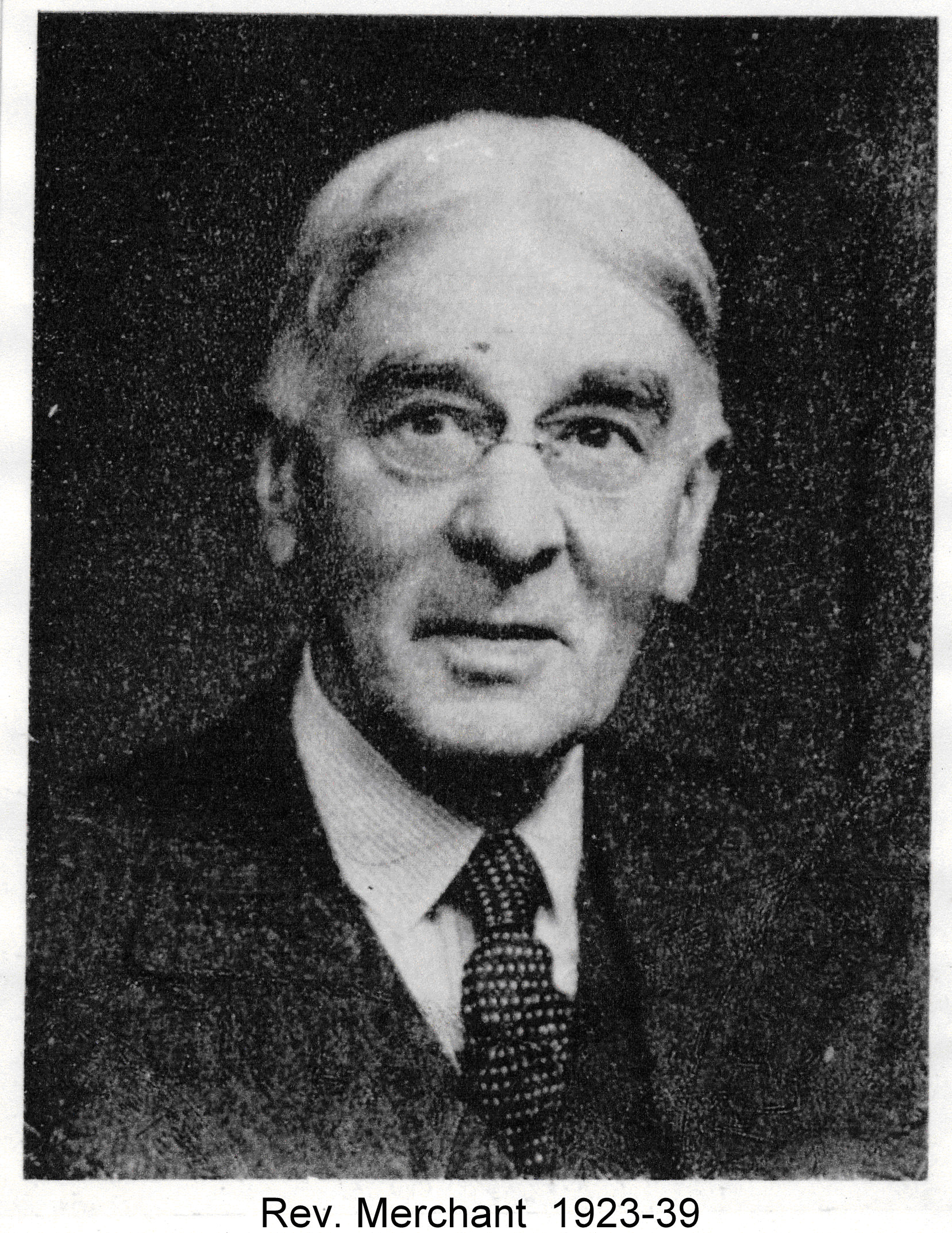
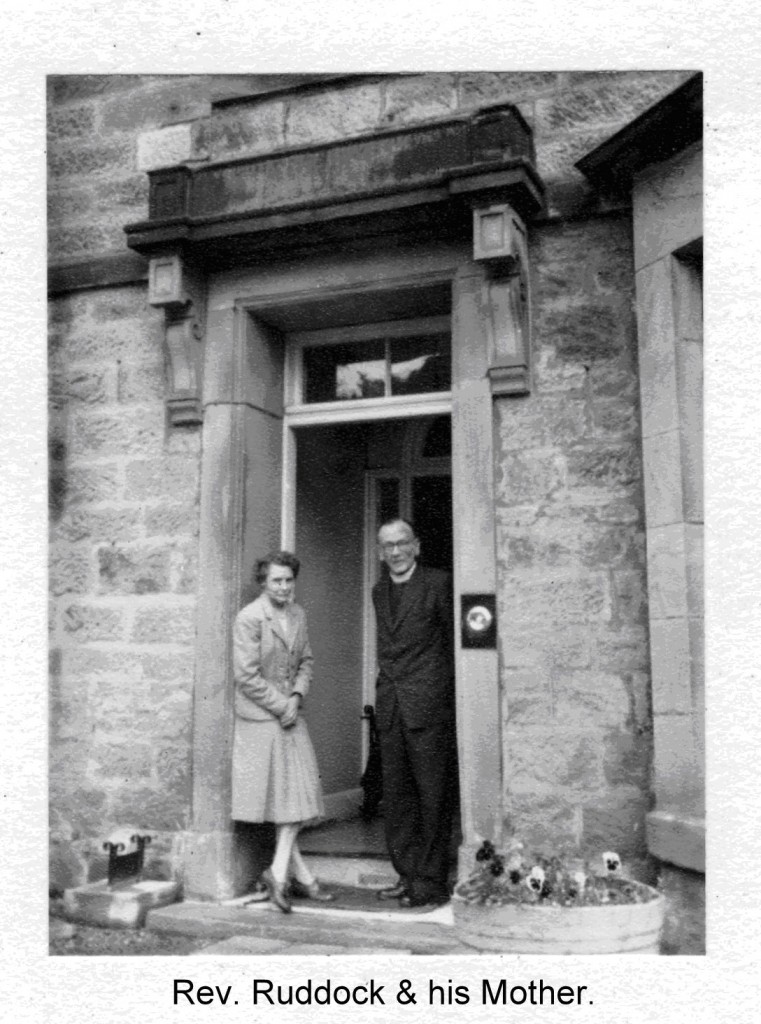
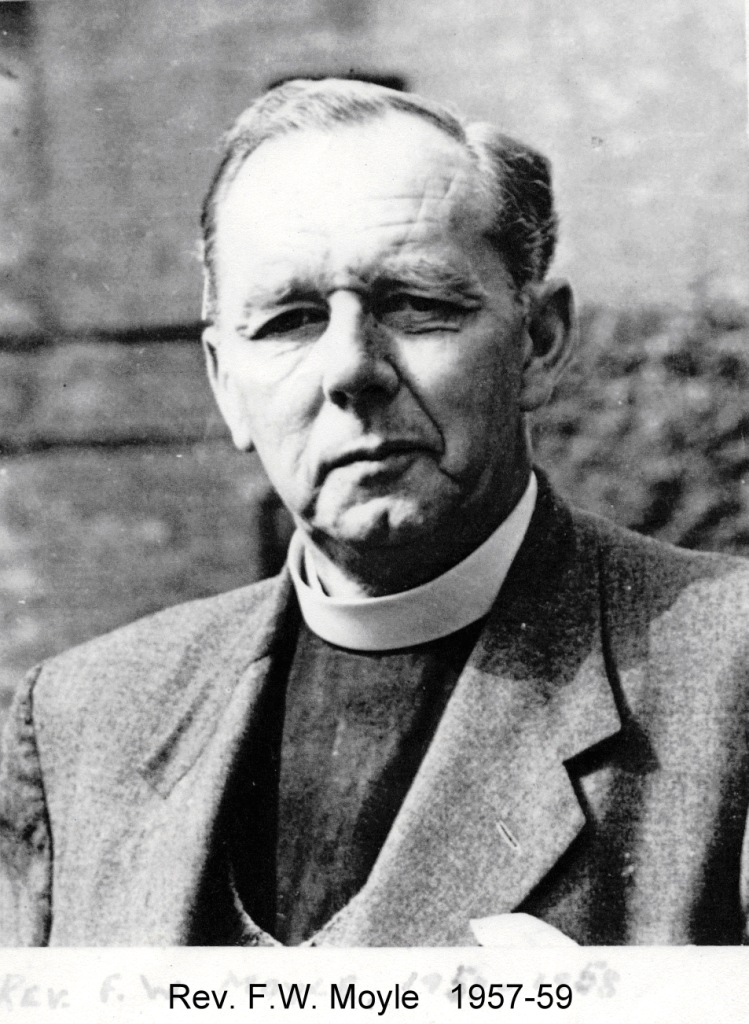
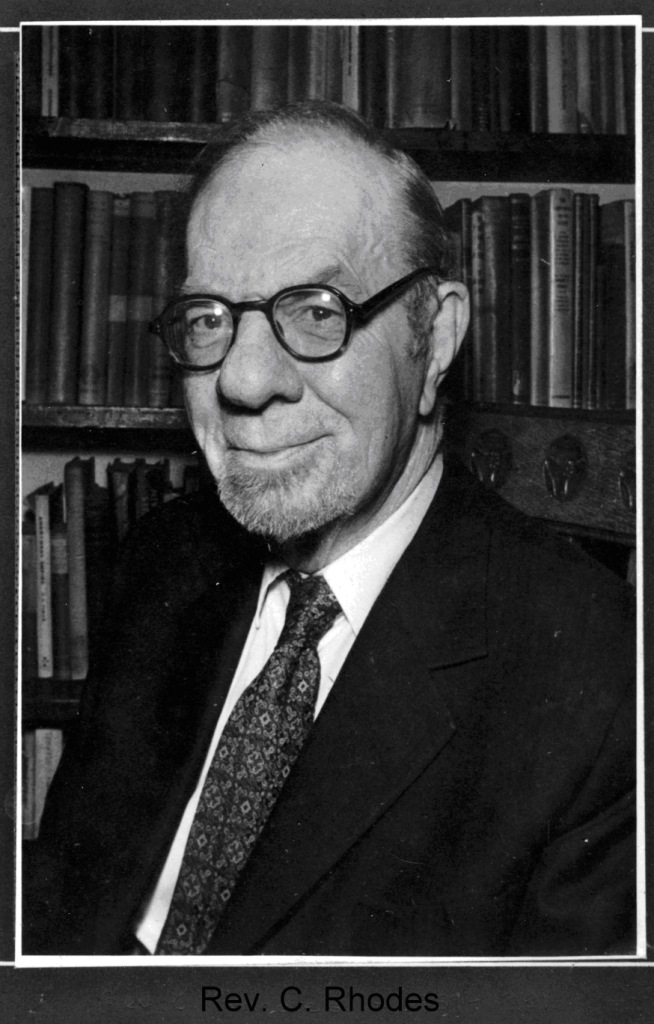
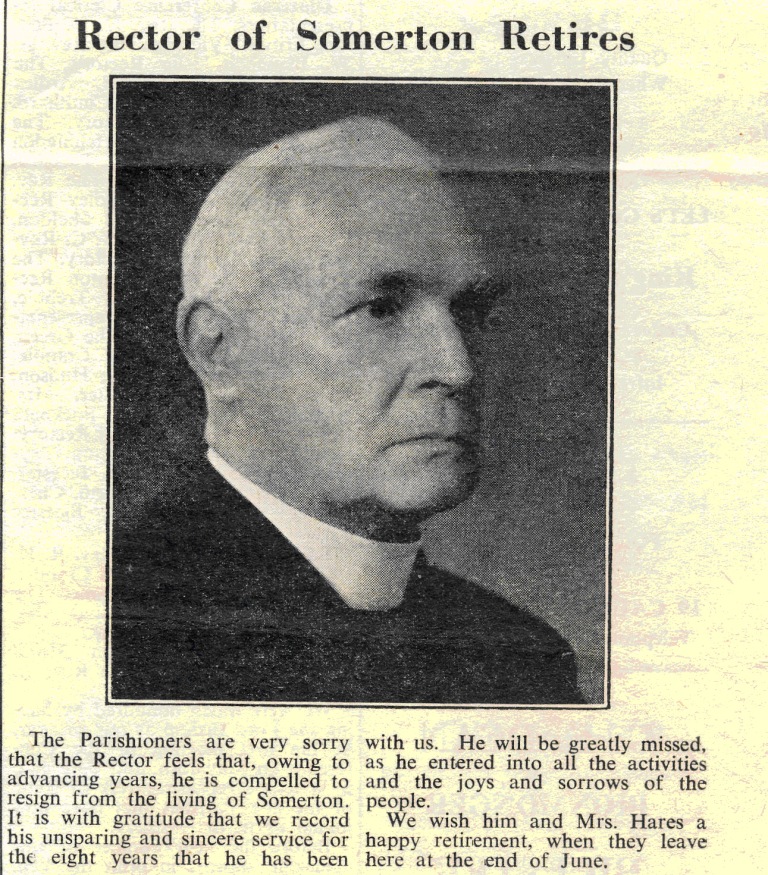
Rev. Marchant (1923–39), Rev. T. V. Ruddock (1939–49), Rev. W. P. Hares (1949–57), Rev. F. W. Moyle (1957–59), and Rev. Clifford C. Rhodes (1959–81) each contributed to the life of the parish across the middle decades of the twentieth century. Rhodes’s twenty-two years gave the parish an unusual degree of continuity through a period of considerable change in village life.
The Reverend Noel James
Those who remember Noel James tend to do so with warmth and a smile. He was a jolly Welshman — a big, friendly presence who threw himself into the hymns with a wonderful singing voice and genuine gusto, belting them out in a way that carried the congregation with him. His wife Molly was equally well regarded. Everyone liked them both. That quality of straightforward, energetic warmth was, in many ways, exactly what the benefice needed when he arrived in August 1993.
Like his predecessor, Noel James had served as a Chaplain in the Royal Air Force before his move to parish ministry. He came to the Cherwell Valley as Priest-in-Charge for the benefice of the Heyfords with Rousham and Somerton — a cluster of historic rural parishes including St Mary, Upper Heyford; St Mary, Lower Heyford; St James, Rousham; and St James the Apostle, Somerton. His arrival marked the parishes’ consolidation into a more integrated benefice model, a single priest serving several villages, each with its own character and its own particular claim on his time and energy.
He served until 2002, and his tenure bridged the turn of the century. The Millennium celebrations — described in Chapter Seventeen — fell during his time, and he was a familiar figure in the village throughout that commemorative year. He was well placed to mark it: a man of good cheer and strong voice is not a bad person to have at the centre of a community at a moment of celebration.
Further Reading
The Good, The Bad & The Absent
A closer look at some of the more notable Rectors of Somerton — from a medieval robber-priest to the Archbishop who stood with Charles I on the scaffold, to the absent pluralists and the great restorer George Barnes.
Read the article →